100+
Community Members United
More than a hundred residents from diverse backgrounds joining forces to protect Annan from unsustainable development.
3000+
Petition Signatures
More than 3,000 signatures demonstrate strong local opposition and support for sustainable development.
Protect South West Scotland
Uniting concerned citizens to safeguard our home and environment
Campaigning against unsustainable data centres that threaten our community and environment.
Our Central Concerns
Focused on energy, environmental, and social impacts of improper data centre expansion.
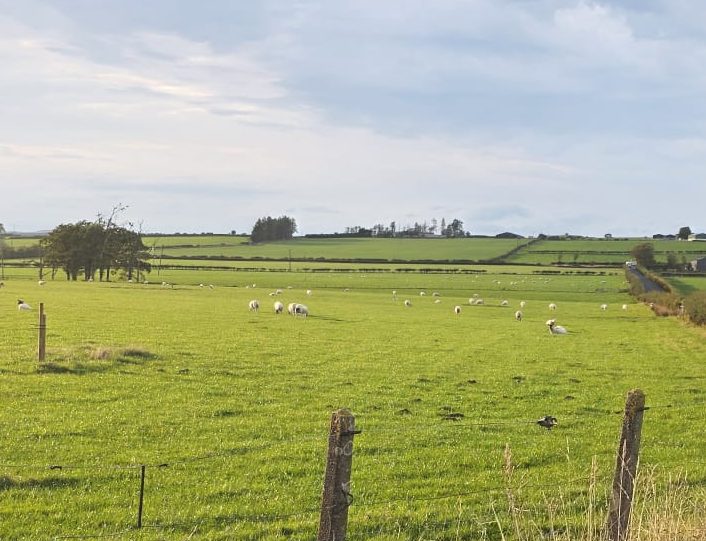
Excessive Energy Use
This 1,000MW data centre would use as much power per year as over 7 million households. The energy grid would not be able to cope with the massive amount of electricity the DC would consume.
More frequent blackouts could result from this, and household electricity bills would likely increase in cost (as they have in Ireland and the US).
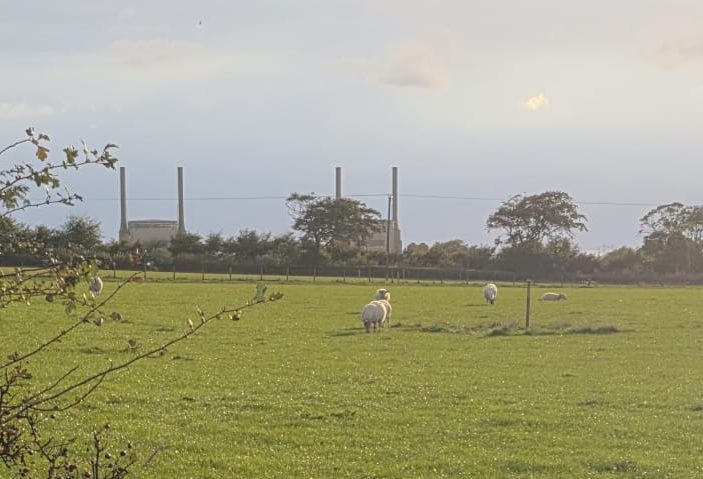
Environmental Impact
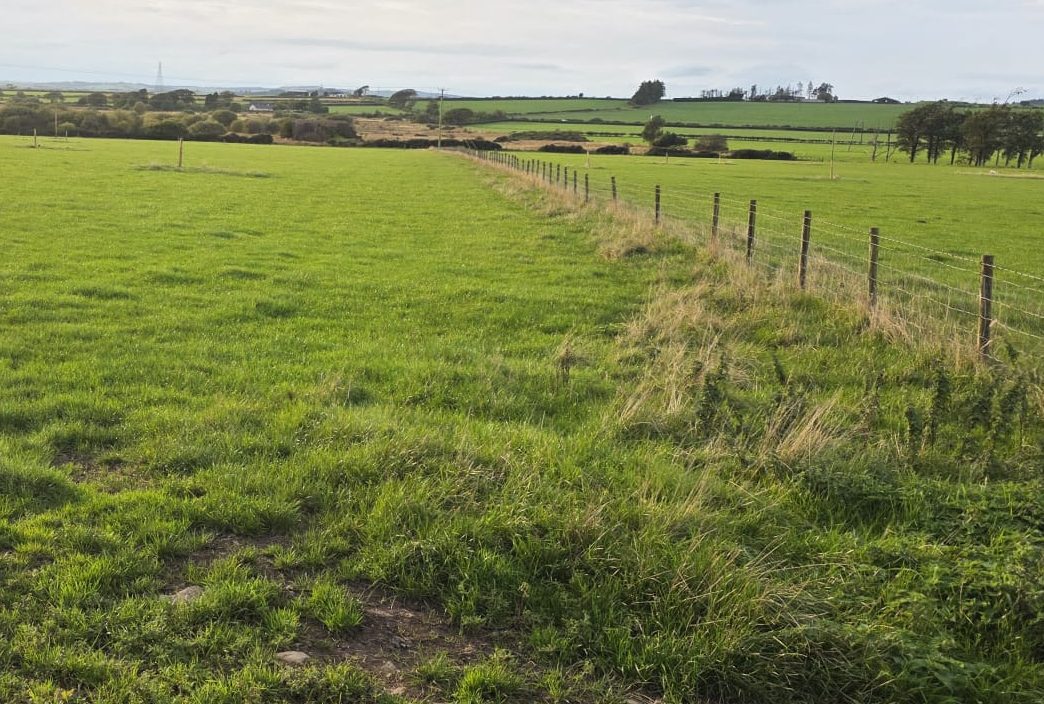
The development site threatens wildlife habitat and alters the character of our rural area.
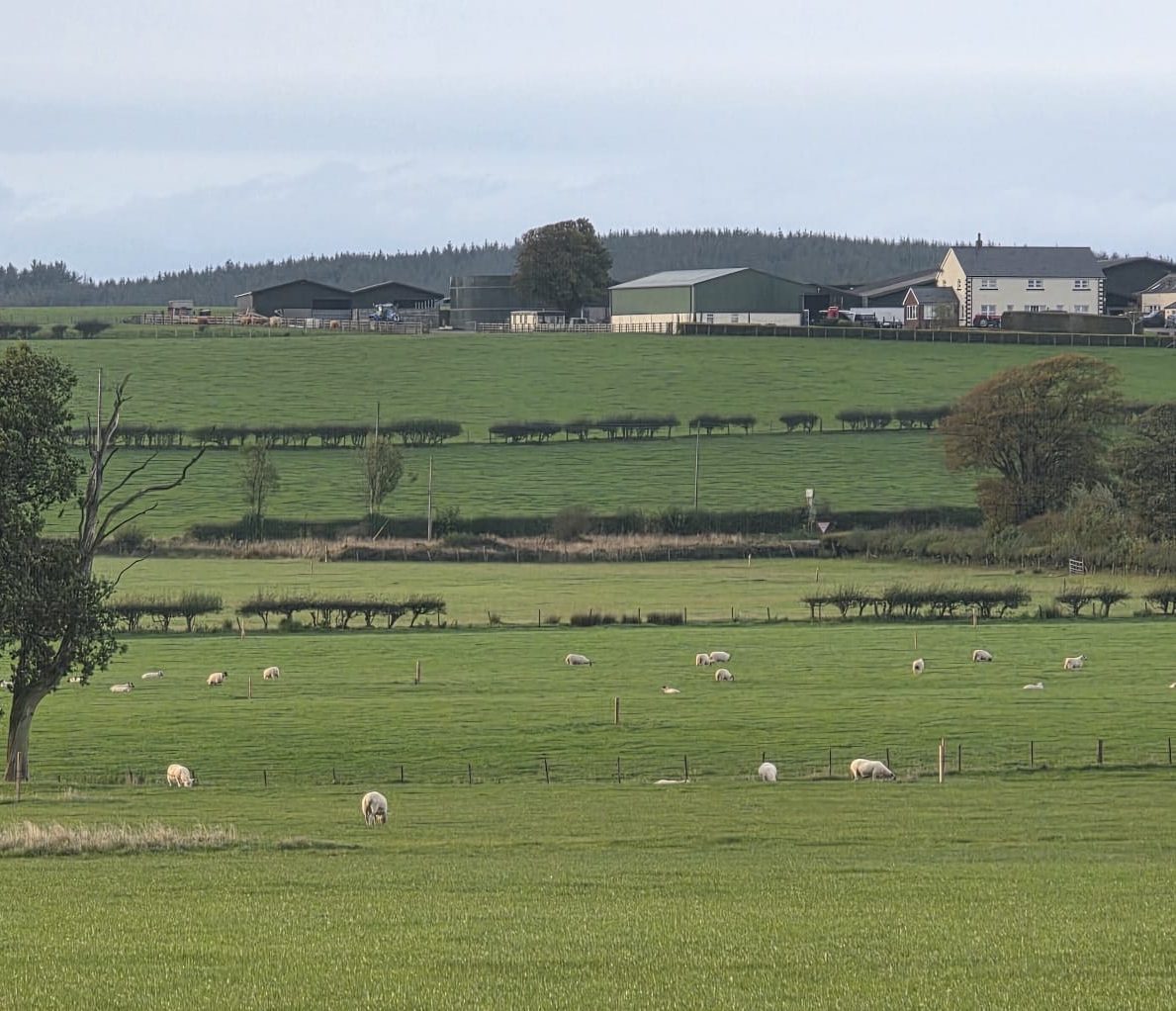
Noise pollution
Hyperscale DCs are LOUD. Worse still, the frequency of their noise emissions can travel for miles, disturbing our sleep and putting our bodies into “fight or flight” mode. This vibration is also known to have detrimental effects on local livestock and wildlife.
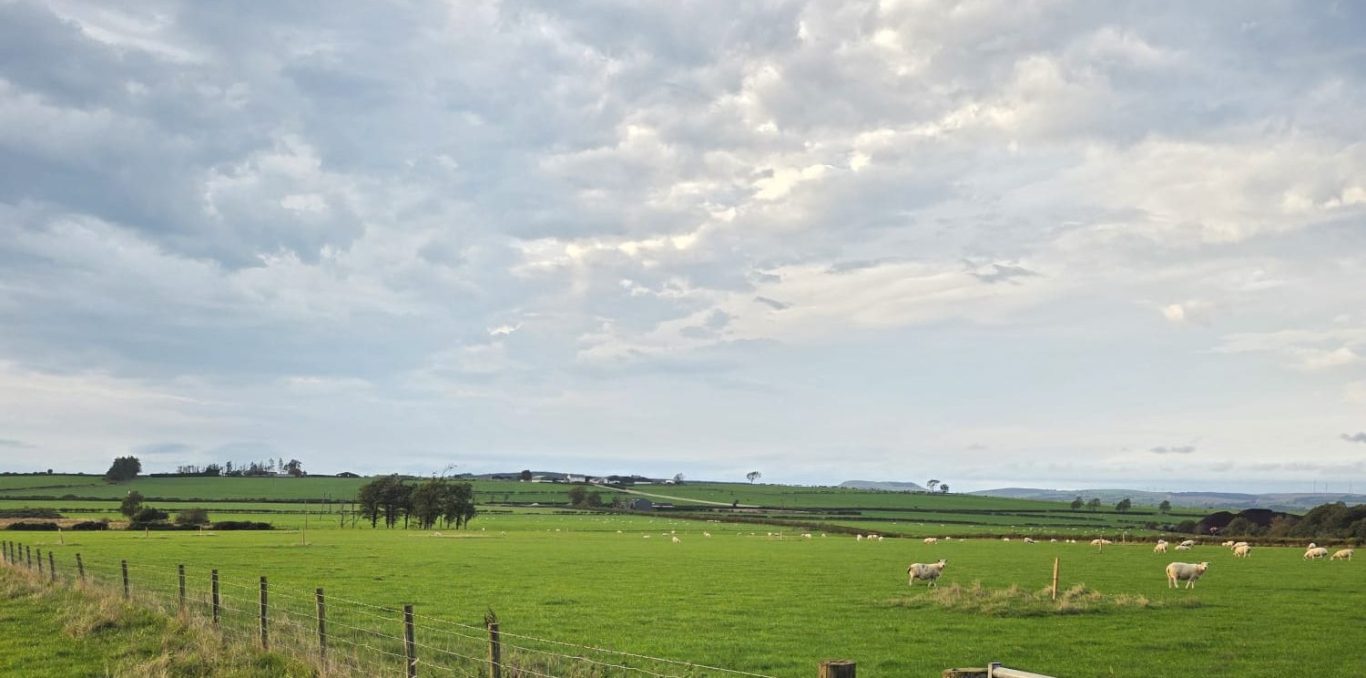
Our waters
The development site threatens wildlife habitat and alters the character of our rural area.
General pollution
This 1,000MW data centre would use as much power per year as over 7 million households. The energy grid would not be able to cope with the massive amount of electricity the DC would consume.
More frequent blackouts could result from this, and household electricity bills would likely increase in cost (as they have in Ireland and the US).
But what about jobs? Our local area is crying out for jobs!
Evidence from operational datacentres has shown that job numbers, whilst good on paper, turn out to be inflated.
On average, hyperscale DCs employ about 20-50 people.
Chapelcross Power Station employed hundreds of locals over decades of operations (and still employs now with decommissioning).
Evidence shows that a datacentre would not provide the same employment opportunities.
The Long read:
Is it about a datacentre?
Land speculation is the least obvious angle but most likely to materialise:
There are two scenarios:
Scenario 1:
They want to build a data centre so ambitious that its logistics stretch the bounds of possibility. 1 GW assumes not only a technical and building project in Chapelcross itself so ambitious that not even Elon Musk, Jeff Bezos, Sam Altman or the US government has succeeded in building one. No one has yet successfully built a 1 GW datacentre facility anywhere in the world. Meta, who is building Prometheus, a 1GW cluster, calls the challenge “a monumental engineering feat”. But we are to believe a tiny company, newly formed, with Graham Anderson claiming he has built 42 datacentres over 25 years but not listing a single one, and Graham Edwards and the rest of the tiny team having no remotely comparable experience or resources to Meta or Musk or Bezos or Altman, will nevertheless succeed in this monumental engineering feat without any confirmed funding commitments, in Annan.
Simultaneously, their PPiP acknowledges that their project depends on access to a vastly improved grid, but they cannot quantify its impacts and requirements because… they have no contracts, agreements or promises from any of the grid providers on whom the entire project depends.
They acknowledge that it will be a “significant” impact and that it's not included in their calculations. What they don't mention is that provisioning the local grid to serve a 1 GW facility is itself a massive, large scale, engineering project that the people they have no agreements with must build and permission.
Every other option you look at, generation, backup generation, infrastructure, shows that scaling Chapelcross into a 1 GW facility is indeed monumental to the point of barely solvable.
Scenario 2:
Land speculation.
They have no mapped out and convincing roadmap to 1 GW, but a fantastic prospect for land speculation through permitting. In this kind of property business Graham Edwards, unlike in data centres, is eminently qualified.
What would a speculative-development strategy look like in practice?
You'd expect a sequence like:
- Secure control over strategic land cheaply/conditionally.
- Obtain the largest defensible PPiP envelope.
- Publicise the maximum economic potential — £16.5bn / 1 GW / eight halls.
- Secure or advance grid rights.
- Secure options/heads of terms with renewable generators.
- Obtain detailed consent for Phase 1.
- Find anchor customer/operator.
- Revalue the project substantially.
Then either: - Raise institutional capital → build,
- Joint Venture with operator → build,
- sell controlling stake → someone else builds,
- sell individual phases/development rights.
If only Phase 1 ever gets built, the original developer can still make a substantial return.
Which seems most likely?
We are very concerned scenario 1 is vastly more impactful than the area can sustain, and vastly more uncertain, than the promoters can guarantee or even reasonably expect. A scenario where we get many of the negative impacts for a fraction of the benefits seems very likely, assuming good faith.
In scenario 2, the most likely result is that the CX board makes massive profits from the permitted land use changes, and perhaps a reduced version of 1 of their 120 MW buildings (out of 8), or in a worst case scenario, they profit from a stranded project where the greenfield land and assets are lost to the community but the project gets stranded, while CX still profits.
In all scenarios, what is clear is that the balance of risk is absorbed by the Dumfries community, to the environment, to electricity costs, to noise and air pollution, with highly uncertain community benefits, while the balance of value rests with the tiny CX board, who win in almost all scenarios if the data centre is permitted.
The balance of risk and value should be a cross party concern, and we hope that when informed of the facts of the imbalances and challenges, all parties, will want to protect Dumfries and Galloway from risky speculation attached to a project full of economic,.environmental and community risks, and extremely uncertain and even unlikely community benefits.
Even in the context of their full projected investment, the balance of tax revenue that would go to Dumfries and Galloway and not the Scottish Government remains undisclosed, and the direct community investment ideas remain entirely improved and explicitly separated from the PPiP.
Given how unlikely arrival at 1GW is and that it is described as "up to" 1 GW, their promises on jobs, traînées, etc, should also be read as "up to" the figures suggested. Realistically, a fraction.
This does not suggest Dumfries and Galloway is the prime beneficiary intended by the project.
We call for transparency and accountability on the profit model of this venture, and firm, costed and phased statements of community benefit against building and permitting milestones, and against CX profits.
Engage with Our Campaign Efforts
Discover ways to contribute, stay informed, and join our public consultations and actions.
Reach out to join, volunteer, or get more information about our campaign.
Telephone:
E-mail:
Address: